How to become a Dermatologist? - Swaasa.Jobs
What is dermatology?
Dermatology is a medical speciality that deals with the diagnosis, treatment, and prevention of conditions that affect the skin, hair, and nails. It encompasses a wide range of conditions, including skin disorders, infections, and skin cancers.
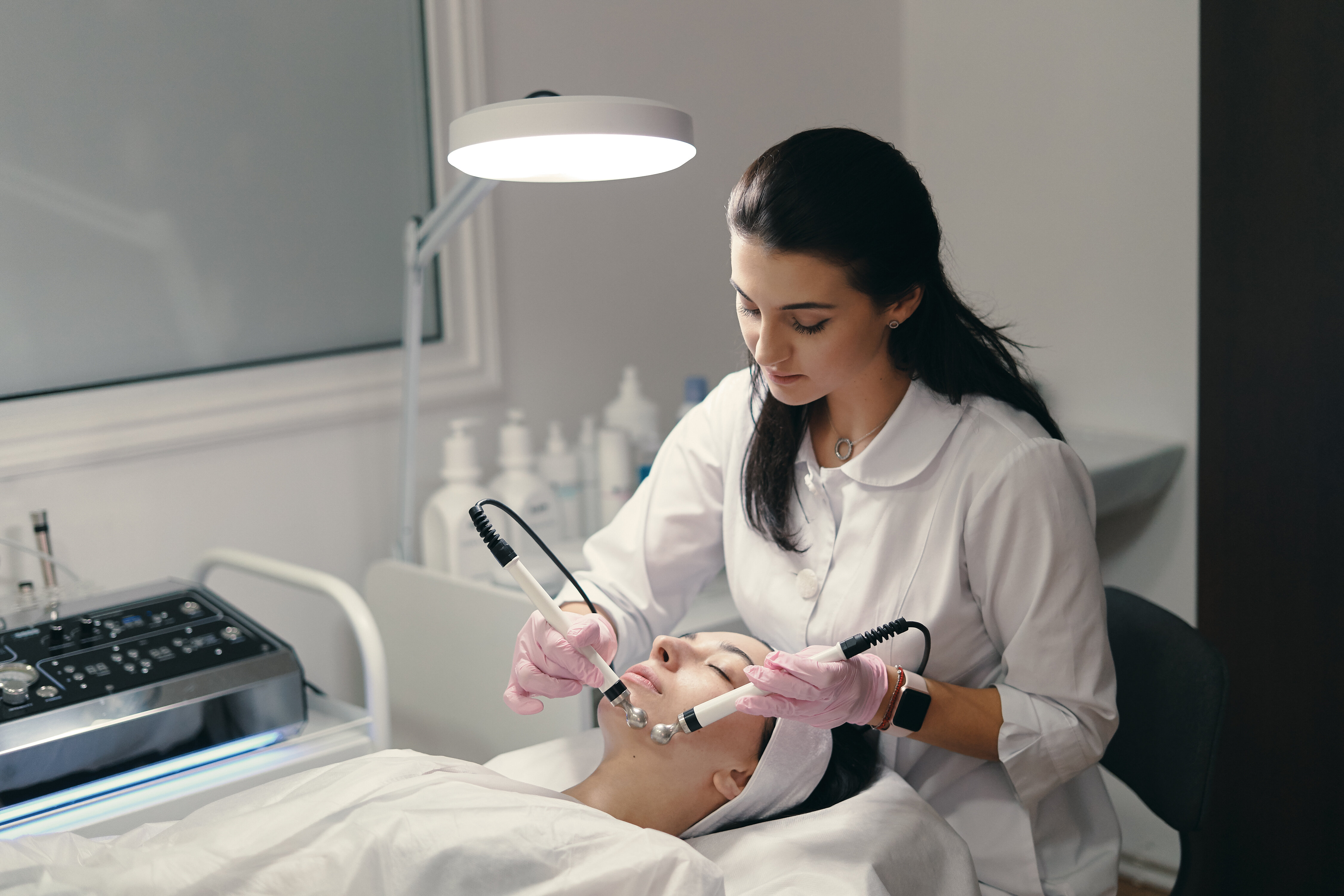
Who are dermatologists?
Dermatologists are medical doctors who have received specialized training in the diagnosis and treatment of skin, hair, and nail conditions. They use a variety of techniques, including medical and surgical treatments, to treat acne, eczema, psoriasis, rosacea, warts, and skin rashes. They also diagnose and treat skin cancers, including melanoma, basal cell carcinoma, and squamous cell carcinoma, and perform skin biopsies to confirm a diagnosis.
In addition to treating skin conditions, dermatologists also play an important role in preventing skin damage, promoting skin health, and helping patients maintain a healthy and youthful appearance. This can involve providing advice on skin care, sun protection, and lifestyle changes that can help prevent skin problems from developing or becoming worse.
Education details to become a dermatologist in India.

Class 12:
You will need to complete Class 12 (or its equivalent) with a strong focus on science subjects, such as biology, chemistry, and physics.
Bachelor's Degree: After completing Class 12, you will need to earn a Bachelor of Medicine, Bachelor of Surgery (MBBS) degree from an accredited medical college in India. This degree typically takes five-and-a-half years to complete.
Internship: After earning an MBBS degree, you will need to complete a one-year internship, during which you will gain hands-on experience in various medical specialties, including dermatology.
Master's Degree: After completing the internship, you will need to earn a Master of Medicine (MD) or Diplomate of National Board (DNB) degree in dermatology from an accredited medical college in India. This degree typically takes three years to complete.
Fellowship: Some dermatologists may choose to complete a one-year fellowship in a subspecialty of dermatology, such as dermatopathology or pediatric dermatology.
Board Certification: Once you have completed your Master's degree or fellowship, you will need to become board-certified in dermatology. This involves passing a certification exam administered by the National Board of Examinations (NBE).
Continuing Education: To maintain your board certification, you will need to complete continuing education courses regularly to stay up-to-date with the latest developments in the field of dermatology.
Dermatologists courses in India:
Certainly! Becoming a dermatologist in India involves several steps, including obtaining a medical degree, completing postgraduate training in dermatology, and passing a qualifying exam.
- MBBS (Bachelor of Medicine and Bachelor of Surgery): This is the first step towards a career in dermatology. The MBBS program typically lasts for five and a half years and provides a strong foundation in anatomy, physiology, pharmacology, and other basic medical sciences. It is important to note that admission to medical schools in India is highly competitive and based on merit, as well as passing entrance exams such as the National Eligibility cum Entrance Test (NEET).
- Postgraduate Training in Dermatology: After completing the MBBS program, individuals can choose to specialize in dermatology by completing a postgraduate program in dermatology. There are several options available, including the MD (Doctor of Medicine) in Dermatology, DVD (Diploma in Venereology and Dermatology), and Fellowship in Dermatology. These programs typically last for two to three years and provide advanced training in dermatology, including the diagnosis and treatment of skin, hair, and nail disorders.
- Qualifying Exam: After completing postgraduate training in dermatology, individuals are required to pass a qualifying exam to practice as licensed dermatologists. In India, the National Board of Examinations (NBE) conducts the Diplomate National Board (DNB) examination, which is a recognized qualification for practicing as a dermatologist.
It is important to note that the eligibility criteria, admission process, and course curriculum for each postgraduate program may vary between medical schools and universities in India. It is recommended to check with the relevant institutions for more information on the specific requirements for each program.
In addition to completing formal education and training, it is also important for dermatologists to stay current with the latest advances and developments in the field. This can be achieved through continuing medical education (CME) programs, attending conferences and workshops, and participating in research and publications. These activities help to enhance the skills and knowledge of dermatologists and provide opportunities for career growth and advancement.
Best colleges offer dermatologist courses in India:

In India, there are several medical colleges and universities that offer dermatology courses. Some of the top institutions that offer dermatology education include:
- All India Institute of Medical Sciences (AIIMS) - New Delhi
- Christian Medical College (CMC) - Vellore
- Kasturba Medical College (KMC) - Manipal
- Grant Medical College and Sir JJ Group of Hospitals - Mumbai
- Lady Hardinge Medical College - New Delhi
- Maulana Azad Medical College - New Delhi
- Bangalore Medical College and Research Institute - Bangalore
- Seth GS Medical College and KEM Hospital - Mumbai
- St. John's Medical College - Bangalore
- King George's Medical University - Lucknow
- Sri Venkateswara Institute of Medical Sciences (SVIMS) - Tirupati
- Andhra Medical College - Visakhapatnam
- Rangaraya Medical College - Kakinada
- NRI Institute of Medical Sciences - Visakhapatnam
- Guntur Medical College - Guntur
- Gandhi Medical College - Hyderabad
- Osmania Medical College - Hyderabad
- Kakatiya Medical College - Warangal
- Deccan College of Medical Sciences - Hyderabad
- Mamata Medical College - Khammam
It is worth noting that these institutions offer postgraduate programs in dermatology, so one must have completed an undergraduate medical degree (MBBS) and cleared the National Eligibility cum Entrance Test (NEET) to be eligible for these programs.
Dermatologists Jobs and career:
In India, dermatologists can work in both private and government sectors. In the private sector, they can work in clinics, hospitals, skin care centers, and cosmetic centers. They can also work as consultants for pharmaceutical companies, research organizations, and skin care product companies.
In the government sector, dermatologists can work in government hospitals and healthcare centers, and can also be employed in the public health sector. They can also work as researchers in government-funded institutions, such as the Indian Council of Medical Research (ICMR) and the Department of Biotechnology (DBT).
In addition to these options, dermatologists can also choose to specialize in areas such as cosmetic dermatology, pediatric dermatology, and dermatopathology. They can also start their own private practice, or work as an independent consultant.
Job categories available for a dermatologist
Job categories for dermatologists include:
Clinical Practice: This is the most common job category for dermatologists, and involves the diagnosis and treatment of skin conditions in a clinical setting. This can include working in a private clinic, hospital, or skin care center.
Academic: This involves teaching and conducting research in a university or academic medical center.
Industry: This includes working in the pharmaceutical or cosmetic industry, as a researcher, product developer, or medical consultant.
Government: This involves working in a government-funded institution or a public health sector, where dermatologists can provide care to the community, or participate in research and development programs.
Private Practice: This involves starting your own private practice, and offering skin care services to patients.
Consultancy: This involves providing skin care advice and recommendations to clients, and can include working as an independent consultant or for a cosmetic or skincare company.
Specialty Practice: This involves specializing in a specific area of dermatology, such as cosmetic dermatology, pediatric dermatology, or dermatopathology.
Career growth of a dermatologist:
As a dermatologist, you have a rewarding and challenging career that offers opportunities for growth and advancement. Your career growth as a dermatologist will depend on several factors, including your area of specialization, level of expertise, and your desire to continuously expand your knowledge and skills.
At the beginning of your career, you will likely start as a general practitioner, diagnosing and treating common skin conditions such as acne, eczema, and psoriasis. Over time, you may choose to specialize in a particular area of dermatology, such as cosmetic dermatology, pediatric dermatology, or dermatopathology. Specializing in a particular area allows you to gain expertise in that area and offer more specialized services to patients.
One way to grow your career as a dermatologist is to stay up-to-date with the latest advancements in the field. This can be done by attending conferences and workshops, participating in continuing education courses, and conducting research in your area of specialization. You can also expand your knowledge by collaborating with other healthcare professionals, such as plastic surgeons, and working in multidisciplinary teams.
Another way to advance your career is to become involved in leadership and advocacy roles. This can involve serving in professional organizations and societies, participating in public health initiatives, and representing the field of dermatology in public forums. By becoming a leader in the field, you can contribute to the advancement of dermatology, and also increase your visibility and reputation as a specialist.
You can also choose to expand your practice by opening your own private practice, or by joining a group practice. In private practice, you will have the freedom to set your own schedule and provide care to patients according to your own standards. However, you will also have the responsibility of managing the business aspect of your practice, such as billing and marketing. Joining a group practice allows you to share the responsibilities of running a practice, and provides you with the support of other healthcare professionals.
If you have a strong interest in research and education, you can pursue a career in academia. This can involve teaching at a medical school, conducting research in a university or academic medical center, and contributing to the advancement of dermatology through your research findings.
Finally, you can choose to work in the pharmaceutical or cosmetic industry. In this sector, you can work as a researcher, product developer, or medical consultant. You will have the opportunity to work with cutting-edge technology and contribute to the development of new treatments and products.
Government Healthcare Jobs for Dermatologists:
In India, different state governments offer government jobs for dermatologists in their respective health departments. Some of the state governments that provide such jobs include:
Maharashtra: The Maharashtra Health Services offer government jobs for dermatologists in various government hospitals and health care centers across the state.
Tamil Nadu: The Tamil Nadu Medical Services Corporation (TNMSC) provides government jobs for dermatologists in government hospitals and health care centers in Tamil Nadu.
Karnataka: The Health and Family Welfare Department of the Government of Karnataka offers government jobs for dermatologists in various government hospitals and health care centers in the state.
Uttar Pradesh: The Uttar Pradesh Health Department provides government jobs for dermatologists in government hospitals and health care centers in the state.
West Bengal: The West Bengal Health Department provides government jobs for dermatologists in government hospitals and health care centers in the state.
Andhra Pradesh: The Andhra Pradesh Health Department provides government jobs for dermatologists in government hospitals and health care centers in the state.
Average salaries :
The average salary of a dermatologist in India can vary based on factors such as location, years of experience, and type of workplace (government or private). However, here are some rough estimates:
- Entry-level dermatologists can earn an average salary of around 8 to 10 lakhs per annum.
- Experienced dermatologists with 5-10 years of experience can earn an average salary of around 15 to 20 lakhs per annum.
- Senior dermatologists with more than 10 years of experience can earn an average salary of around 25 to 40 lakhs per annum.
Keep in mind that these estimates are just rough averages, and the actual salary of a dermatologist may vary depending on many factors.
Social responsibility:
Dermatologists can conduct skin health camps to reach out to a large number of people and provide them with information and services related to skin health. Here are some steps they can follow to conduct such camps:
- Plan the camp: Determine the target population, the location, and the duration of the camp. Choose a suitable venue and make arrangements for basic amenities such as seating, power, and water supply.
- Invite participants: Advertise the camp through various channels such as local newspapers, posters, and social media. Make sure to mention the date, time, and location of the camp.
- Prepare a team: Assemble a team of dermatologists, nursing staff, and volunteers who will assist in conducting the camp.
- Set up a clinic: Set up a makeshift clinic with examination tables and chairs. Stock up on essential supplies such as gloves, gowns, and bandages.
- Screening: Conduct a screening of participants to identify skin conditions and provide them with appropriate treatment or referrals if necessary.
- Education: Provide education on skin health and skin care. Cover topics such as sun protection, skin cancer, and acne.
- Treatment: Provide basic treatment for minor skin conditions such as warts, moles, and rashes.
- Follow-up: Schedule follow-up visits for participants with more serious skin conditions and provide them with referrals to a specialist if needed.
- Evaluate the camp: Collect feedback from participants and evaluate the success of the camp. This can help to identify areas for improvement for future camps.
By conducting skin health camps, dermatologists can reach out to a large number of people and educate them on the importance of skin health. They can also provide basic treatment for minor skin conditions and help people with more serious skin problems access specialist care.
(FAQ) Frequently asked questions for those interested in becoming a dermatologist.

Q: What degree do I need to become a dermatologist?
A: To become a dermatologist, you will need to complete a bachelor's degree in a relevant field, such as biology or chemistry, followed by a medical degree (M.D. or D.O.). You will then need to complete a three-year residency in dermatology and pass certification exams to become licensed.
Q: How long does it take to become a dermatologist?
A: Becoming a dermatologist typically takes a minimum of 12 years of education and training, including 4 years of undergraduate studies, 4 years of medical school, and a 3-year residency in dermatology.
Q: What is the salary of a dermatologist?
A: Experienced dermatologists with 5-10 years of experience can earn an average salary of around 15 to 20 lakhs per annum.
Q: What are the work hours of a dermatologist?
A: Dermatologists may work full-time or part-time hours, and their schedules can vary depending on the type of practice and patient demand. Some dermatologists may work evening or weekend hours to accommodate patients.
Q: What are the responsibilities of a dermatologist?
A: The primary responsibilities of a dermatologist include diagnosing and treating skin conditions, performing skin surgeries, and providing patient education on skincare and sun protection. They may also conduct research and participate in clinical trials to advance the field of dermatology.
Q: What are the challenges of being a dermatologist?
A: Some of the challenges of being a dermatologist include dealing with patients with chronic or severe skin conditions, performing delicate surgeries, and staying up-to-date with the latest medical advances and treatments. Additionally, managing a busy practice and dealing with insurance and billing issues can also be challenging.
Q. What are the job prospects for dermatologists?
A: The demand for dermatologists is expected to grow as the population ages and skin cancer rates continue to rise. Additionally, advancements in cosmetic dermatology procedures, such as laser treatments and injectables, are also contributing to the growing demand for dermatologists.
Q. How can I make someone get inspired by my journey?
A: Swaasajobs is a healthcare community platform where you can share your story and inspire others by adding inspirational videos of your student and professional journey with the link: https://www.swaasa.jobs/in/en/shareyourstory
Read the Full Blog on Swaasa Jobs Blog
.png)


Comments
Post a Comment